The Most Common Shoulder Conditions
~ BY MATTHEW COELHO, DPT ~

The shoulder is one of the most mobile joints in the body, allowing us to lift, reach, throw, and perform countless daily activities. That mobility is what makes the shoulder so useful and also why it is one of the most commonly injured areas of the body. Shoulder pain can come on suddenly after an injury or develop gradually over time, and the source is not always obvious.
Below are some of the most common musculoskeletal shoulder conditions we see here in physical therapy, what they typically feel like, and how they can be treated.
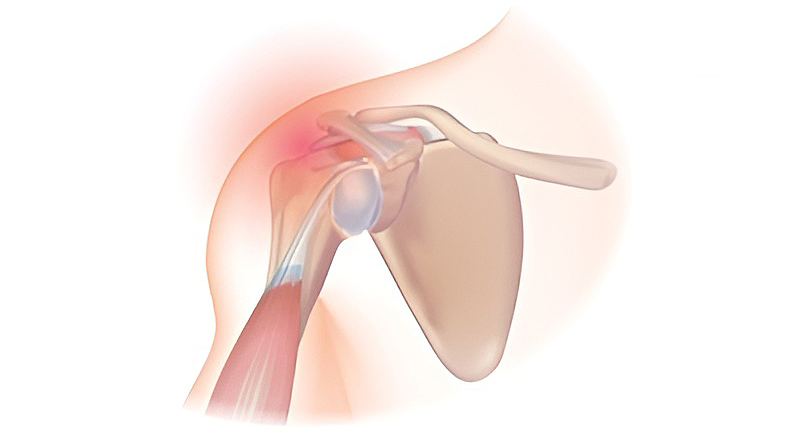 Rotator cuff syndrome illustration. InjuryMap, Wikimedia Commons, 2018. Licensed under CC BY 4.0.
Rotator Cuff Related Shoulder Pain
What is it: The rotator cuff is a group of four muscles and tendons that help lift and rotate your arm while keeping the shoulder joint stable. Rotator cuff related shoulder pain usually develops from repetitive use, overhead activity, or gradual changes in tendon health over time. This type of pain is often referred to as impingement, though it is better thought of as irritation or sensitivity of the rotator cuff tissues rather than something physically being pinched. Rotator cuff pain doesn’t always involve a structural tear.
Symptoms: People often notice pain when lifting the arm overhead, reaching behind the back, or lowering the arm from an elevated position. Discomfort at night, especially when lying on the affected shoulder, is very common. Strength may feel reduced, even when there is no tear present.
What to do: Treatment typically focuses on restoring shoulder strength, improving how the shoulder blade and arm move together, and gradually reintroducing activities that may have become painful. Physical therapy helps guide this process so the shoulder can tolerate daily tasks, exercise, and work demands without ongoing irritation. Most people improve significantly with conservative care and do not require injections or surgery.
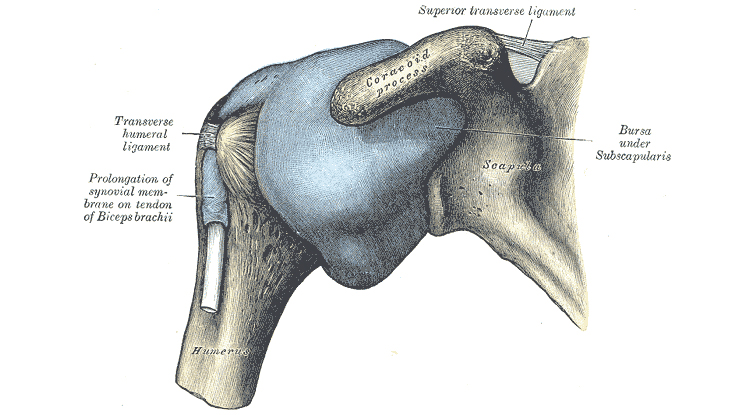 Anatomy of the shoulder joint capsule. Henry Vandyke Carter, from Gray’s Anatomy (1918). Public domain via Wikimedia Commons.
Frozen Shoulder (Adhesive Capsulitis)
What is it: Frozen shoulder occurs when the capsule surrounding the shoulder joint becomes thickened and tight, leading to pain and a progressive loss of motion. This condition often develops gradually and may follow a period of reduced shoulder use, illness, or surgery. It is more common in people between the ages of 40 and 60 and in individuals with conditions such as diabetes or thyroid disorders.
Symptoms: Frozen shoulder typically causes persistent shoulder pain along with increasing stiffness. Movements like reaching overhead, reaching behind the back, or putting on a jacket can become difficult or impossible. Pain is often worse at night and may interfere with sleep.
What to do: Physical therapy focuses on gently restoring motion, managing pain, and maintaining shoulder function throughout recovery. While frozen shoulder often improves over time, guided treatment helps prevent unnecessary stiffness, reduces discomfort, and supports a smoother return to normal movement.
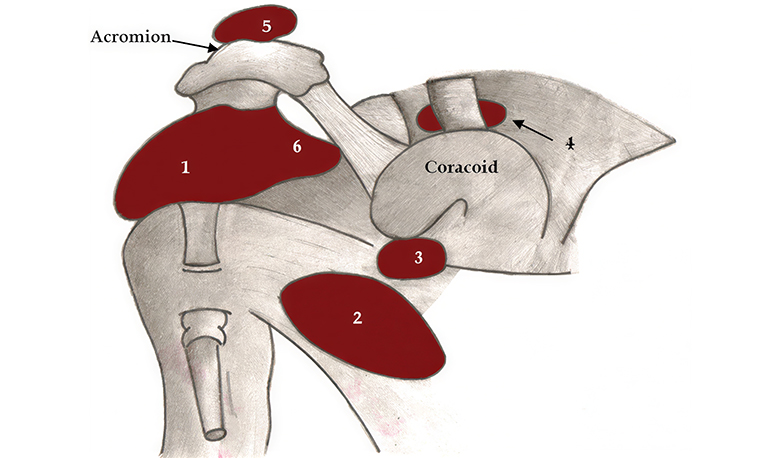 Diagram of normal bursae surrounding the shoulder joint. Zameer Hirji, Wikimedia Commons, 2011. Licensed under CC BY 3.0.
Shoulder Bursitis
What is it: A bursa is a small, fluid filled sac that helps reduce friction between tissues in the shoulder. When this sac becomes irritated, it can lead to shoulder bursitis. Bursitis commonly occurs alongside rotator cuff related pain rather than as a completely separate condition.
Symptoms: People with bursitis often experience pain along the top or side of the shoulder, especially with lifting, reaching overhead, or repetitive use. The area may feel tender, and symptoms can worsen with continued irritation.
What to do: Rather than focusing only on inflammation, treatment aims to improve shoulder movement and reduce stress on sensitive tissues. Physical therapy addresses strength, posture, and movement patterns that may be contributing to symptoms, helping calm irritation and reduce the risk of recurrence.
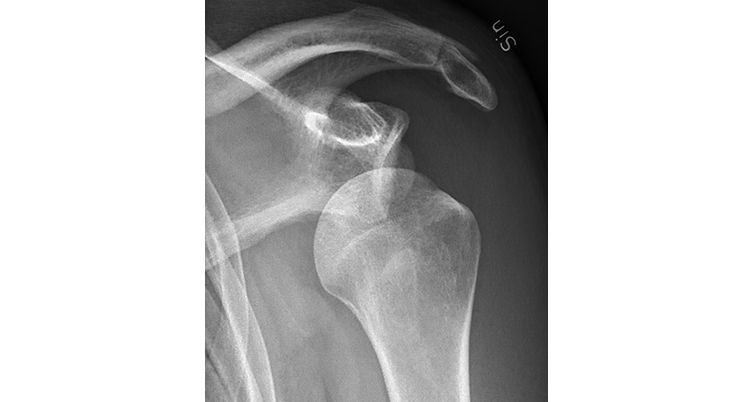 Shoulder dislocation, anteroposterior view before reduction. Doc. Riche, Wikimedia Commons, 2018. Licensed under CC BY-SA 4.0.
Shoulder Instability and Dislocations
What is it: The shoulder joint relies heavily on muscles, ligaments, and connective tissue for stability. Shoulder instability occurs when these structures are unable to keep the joint centered during movement. This can happen after a traumatic injury, such as a fall or sports collision, or it can develop over time with repetitive overhead activity.
Symptoms: Symptoms may include a feeling that the shoulder is loose or slipping, pain with certain arm positions, or a history of the shoulder partially or fully dislocating. Some people feel apprehensive or unstable during specific movements.
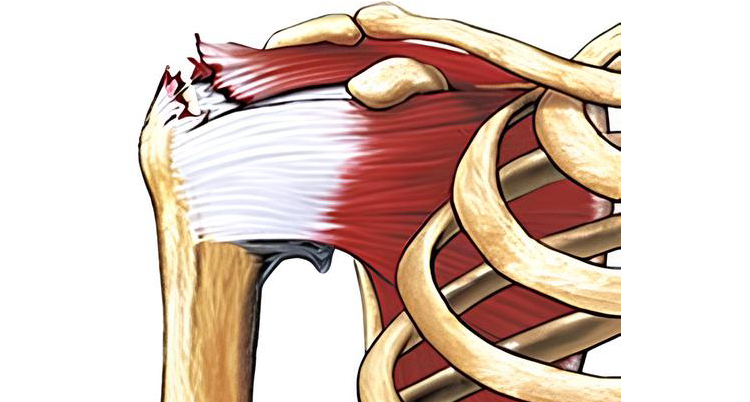 Rotator cuff tear illustration. Szellr, Wikimedia Commons, 2018. Licensed under CC BY-SA 4.0.
Rotator Cuff Tears
What to do: Physical therapy is often the first step in treatment and focuses on strengthening the muscles that stabilize the shoulder, improving coordination, and restoring confidence with movement. Early rehabilitation after a dislocation can significantly reduce the risk of future instability episodes.
What is it: Rotator cuff tears can occur suddenly after trauma or develop gradually due to age related changes. Tears may be partial or full thickness, and many people are surprised to learn that tears do not always cause pain or require surgery.
Symptoms: Common symptoms include pain with lifting or reaching, weakness in the arm, and difficulty performing overhead tasks. Night pain is also common, particularly when lying on the affected side.
What to do: hysical therapy focuses on strengthening surrounding muscles, optimizing shoulder mechanics, and improving overall arm function. Many people experience meaningful improvement in pain and function with conservative treatment alone, even when imaging shows a tear.
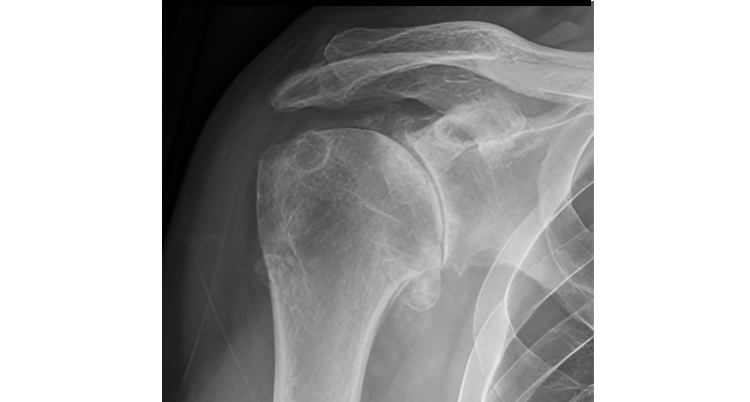 Shoulder osteoarthritis, anteroposterior X-ray. Hellerhoff, Wikimedia Commons, 2015. Licensed under CC BY-SA 4.0.
Shoulder Osteoarthritis
What is it: Shoulder osteoarthritis occurs when the cartilage that cushions the joint gradually wears down. This can affect the main ball and socket joint of the shoulder and often develops slowly over time.
Symptoms: People often describe a deep, aching shoulder pain, stiffness after periods of rest, and difficulty reaching overhead or behind the back. Symptoms may fluctuate, with periods of increased discomfort followed by improvement.
What to do: Physical therapy can help manage arthritis by improving joint mobility, strengthening the muscles that support the shoulder, and teaching strategies to reduce joint stress. While arthritis cannot be reversed, many people are able to remain active and functional with appropriate conservative care.
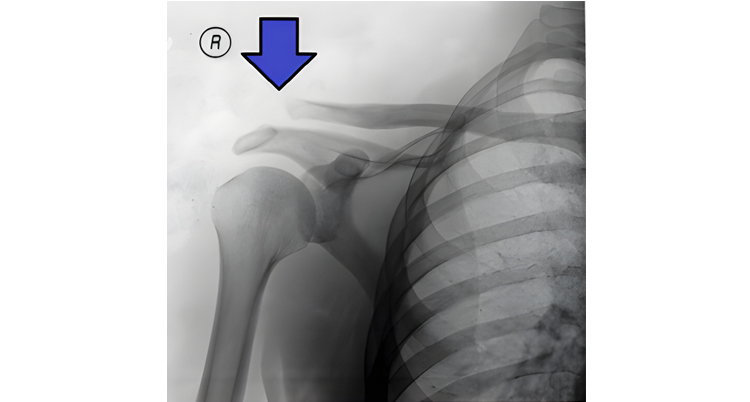 X-ray demonstrating acromioclavicular joint separation. Jay F. Cox, Wikimedia Commons, 2006. Licensed under CC BY 2.5.
AC Joint Injuries and Arthritis
What is it: The acromioclavicular or AC joint is located at the top of the shoulder where the collarbone meets the shoulder blade. Injuries to this joint often occur after a fall directly onto the shoulder. Arthritis of the AC joint may also develop over time due to repetitive stress or aging.
Symptoms: AC joint issues commonly cause pain on the very top of the shoulder. Discomfort is often noticeable when reaching across the body, lifting objects, or performing pressing movements.
What to do: Treatment focuses on restoring shoulder strength and movement while minimizing stress on the AC joint. Physical therapy helps guide safe activity modification and progressive strengthening so most people can return to daily activities without ongoing pain.
When Should You Seek Physical Therapy?
If shoulder pain lasts more than a few days, interferes with sleep, limits daily activities, or causes weakness or instability, it is worth having it evaluated. A physical therapist can identify contributing factors and develop a personalized plan to help you recover safely and efficiently.
The Bottom Line
Shoulder pain is common, but it does not have to become a long term problem. Many shoulder conditions respond extremely well to conservative care, especially when addressed early. Physical therapy focuses on restoring movement, strength, and confidence so you can return to the activities that matter most, whether that is work, exercise, or everyday life.
If you are dealing with ongoing shoulder pain or limited movement, our team is here to help. To schedule a physical therapy evaluation or learn more about your treatment options, contact our clinic or call us at 207-797-3006.